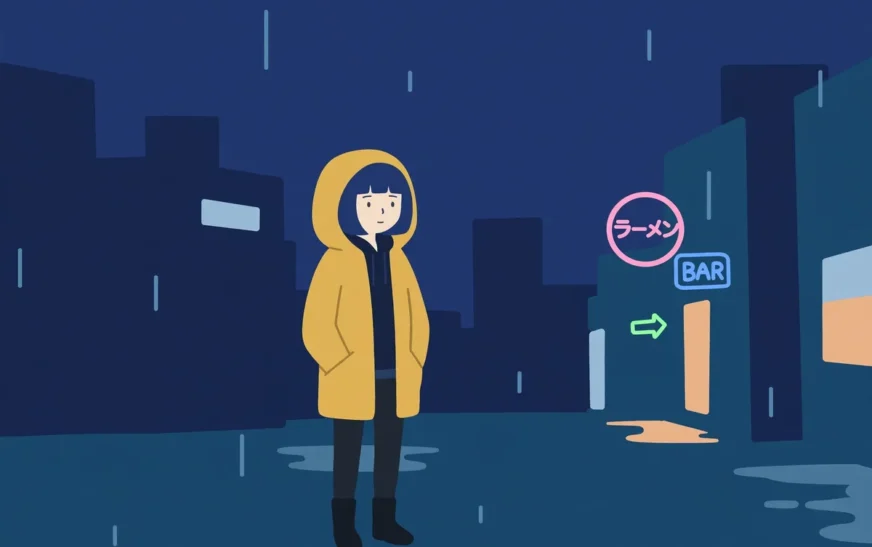
Quick answer: A good Midjourney anime prompt names the anime look first, then the character or scene in short comma-separated phrases, then the setting and lighting, and ends with parameters like aspect ratio. For example: “anime style portrait of a young girl with short silver hair, standing in a rainy Tokyo street at night, neon signs reflecting on wet pavement, cinematic lighting –ar 2:3”. If you want a stronger anime model, Midjourney’s Niji mode is built for anime and illustration, and it responds well to the same short-phrase style.
Why anime prompts need their own approach
“Anime” is not one look. It is a family of looks: the soft, detailed backgrounds of a countryside film; the sharp, high-contrast action of a battle series; the cute, rounded characters of a slice-of-life show; the moody, rain-soaked streets of a cyberpunk story. A prompt that just says “anime” leaves the model to pick one of those at random, and the result may be anime, but not the anime you pictured.
The fix is to name the anime tradition you mean, in words the model can use. “Studio Ghibli-inspired countryside” points at soft light, detailed nature, and gentle colors. “Shonen battle anime” points at dynamic poses, bold lines, and dramatic energy. “Retro 90s anime” points at cel shading, film grain, and a particular color palette. “Cyberpunk anime city” points at neon, rain, and dense detail. Each phrase narrows the family down to a branch, and the branch is where the good results live.
This is also why copying a generic image prompt and adding the word “anime” at the end rarely works well. The rest of the prompt was written for a different visual language. An anime prompt should be built as anime from the start: character language, scene language, and style language that all belong to the same tradition.
The anatomy of an anime prompt
Midjourney likes short phrases, so build anime prompts as a chain of them, in this order:
- Anime style first. Start with the style, so everything after it is read through that lens: “anime style”, “anime illustration”, “cel-shaded anime”, “90s anime style”, “anime movie background art”.
- Character or subject. Who or what is in the frame, with anime-specific details: hair style and color, eyes, clothing, age feel. Anime characters are defined by silhouette and hair as much as by face, so name those.
- Action or pose. Standing, running, reaching, sitting, mid-leap. Anime is a medium of expressive poses, and a dynamic pose reads as anime faster than any style word.
- Setting. Tokyo street, countryside station, floating island, school rooftop, forest shrine. Setting is where anime backgrounds shine, so give it a phrase of its own.
- Lighting and atmosphere. Golden hour, rainy night, cherry blossom petals drifting, morning mist. Atmosphere is the emotional layer, and anime uses it heavily.
- Parameters last. Aspect ratio, style strength, and exclusions go at the end, each starting with two dashes, such as –ar 16:9 or –no text, watermark.
A complete example: “anime style illustration of a girl with long black hair and a red scarf, standing on a hilltop overlooking a coastal town, wind blowing, golden hour light, dramatic clouds, detailed background –ar 16:9”. Every phrase does one job, and the jobs add up to a picture.
Character language: hair, eyes, and silhouette
Anime characters are read by silhouette first. Before a viewer notices the face, they notice the hair shape, the outfit shape, and the pose. Your prompt should do the same. Name the hair first: length, color, and style — “short silver hair”, “long twin-tails”, “messy dark hair”, “bob cut with bangs”. Then the outfit: “school uniform”, “oversized hoodie”, “kimono with floral pattern”, “leather jacket and boots”. Then one distinctive detail: round glasses, a scar, a hairpin, a satchel. That trio — hair, outfit, detail — is enough to make a character feel designed rather than generic.
Eyes deserve a phrase of their own when they matter. “Large expressive eyes”, “sharp narrow eyes”, “gentle eyes” each push the character in a different emotional direction. But do not overload the face with traits. A character described by ten facial features becomes a list, not a person, and the model will drop half of them. Pick the two or three facial traits that define the character, and let the rest be implied by the style.
Age feel matters too, and it should be handled carefully. “Young adult”, “teenager in a school uniform”, and “elderly shopkeeper” are clear and appropriate descriptors for fictional characters in different stories. Keep character descriptions appropriate and story-focused, and avoid asking for anything that sexualises a character. The prompt’s job is design and story, not anything else, and keeping it there also keeps your results usable anywhere.
For a character sheet feel, ask for a consistent description across generations. Reuse the exact hair, outfit, and detail phrases when you generate the same character again, and change only the pose and setting. Consistency in the prompt is the closest thing to consistency in the character, and it is how creators build a recognisable cast across many images.
Scene language: backgrounds that carry the story
Anime backgrounds are not backdrops, they are half the art. A countryside station, a rain-soaked alley, a school rooftop at sunset, a floating market — each carries mood, story, and color on its own. When you prompt an anime scene, give the background its own phrase, not just a word tacked onto the character.
Name the place, then the atmosphere, then one living detail. “A small train station in the countryside, evening light, cherry blossoms drifting” is a complete background in one phrase chain. “A neon alley in the rain, reflections on wet pavement, steam rising from a food stall” is another. The living detail — drifting petals, steam, rain, a cat on a wall — is what stops a background from feeling like a painted wall and starts it feeling like a place.
Scale helps too. Anime often uses scale for emotion: a tiny figure against a vast sky feels lonely, a close-up of a face against a blurred city feels intimate, a wide shot of a town at dusk feels nostalgic. Name the framing with the scene: “wide shot” for scale, “close-up” for intimacy, “low angle” for power. Framing and background together decide the feeling before any character detail does.
Weather and time of day are the cheapest atmosphere tools in anime prompts. Rain, snow, sunset, morning mist, and starry night each carry a whole mood, and anime audiences read them instantly. If a scene feels flat, change the weather or the time before you change anything else. A sunny street and the same street in rain are different stories.
Niji mode and parameters, in plain terms
Midjourney’s Niji mode is its anime-focused model, built for anime and illustration. You can turn it on through settings, or invoke it with the –niji parameter at the end of a prompt. It responds to the same short-phrase style as regular Midjourney, but it leans harder into anime aesthetics: cleaner line work, more expressive characters, and backgrounds that feel hand-painted. If your anime prompts in the standard model keep drifting toward generic illustration, Niji is the first thing to try.
Niji also offers style options that tune the anime feel: cute for rounder, softer characters; expressive for more detailed, refined illustration; scenic for backgrounds and landscapes that carry the image. These are set with the –style parameter alongside –niji. A cute style suits a slice-of-life character. An expressive style suits a detailed portrait. A scenic style suits a landscape where the background is the star. Pick the style that matches the job, not the one that sounds most impressive.
Other parameters work the same way in anime prompts as in any Midjourney prompt. Aspect ratio (–ar) sets the shape: 16:9 for landscapes and wallpapers, 2:3 or 3:4 for character portraits, 1:1 for avatars. The –no parameter excludes things: “–no text, watermark” keeps text and watermarks out of the image. Stylisation (–s) controls how much Midjourney’s own aesthetic influences the result, with lower values staying closer to your words and higher values getting more artistic. Parameters go last, each starting with two dashes, and they should be the last thing you add, after the description is already right.
One caution: parameter names and model versions change over time, and guides written a year ago may name a version that is no longer current. If a parameter does not work, check Midjourney’s current documentation rather than forcing an old flag. The description part of your prompt matters more than any parameter, and a good description with no parameters beats a weak description with perfect parameters.
For building anime prompts without memorising parameters, the CripsyWire AI image prompt builder lets you pick style, lighting, and composition and copy a ready prompt. It is a good way to learn the phrase order before you start writing prompts freehand.
Copy-ready anime prompts
Countryside character: “anime style illustration of a girl with short brown hair and a straw hat, standing in a sunflower field, summer afternoon light, fluffy clouds, detailed background –ar 16:9”
Neon city night: “anime style illustration of a boy with messy dark hair and an oversized jacket, standing in a rainy Tokyo street at night, neon signs reflecting on wet pavement, cinematic lighting –ar 2:3”
Battle action: “shonen anime style illustration of a warrior with spiky red hair raising a glowing sword, dynamic action pose, dramatic sky, speed lines, bold colors –ar 16:9”
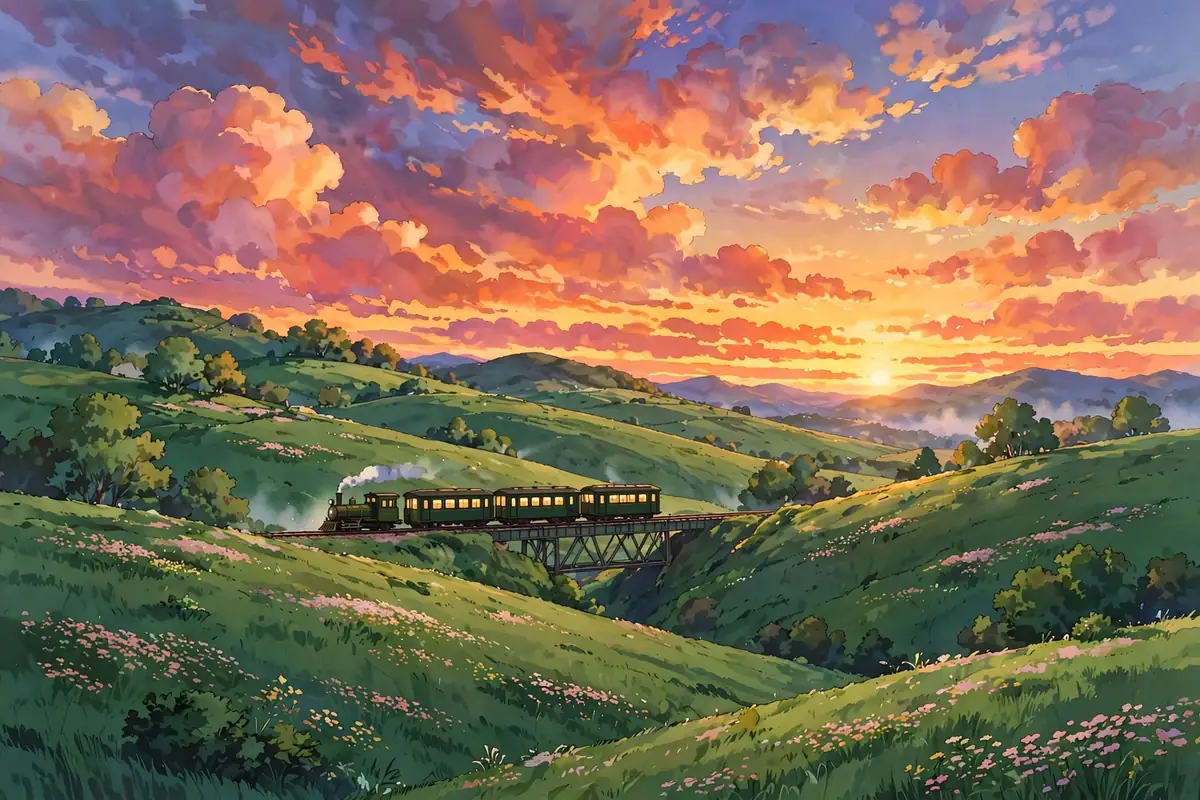
Quiet landscape: “anime movie background art of a small train crossing a bridge over a river at sunset, mountains in the distance, warm golden light, peaceful mood –ar 16:9”
School rooftop: “90s anime style illustration of two students sitting on a school rooftop at sunset, city skyline behind them, nostalgic mood, cel shading, film grain –ar 16:9”
Fantasy village: “anime style illustration of a floating island village with waterfalls and lanterns, twilight sky, magical atmosphere, detailed background –ar 16:9”
Each of these follows the same order: style, character or subject, pose, setting, atmosphere, parameters. Swap one element at a time for your own scene, and the prompt stays reliable.
Common anime prompt mistakes
Just saying “anime”. The family is too broad. Name the branch: countryside, cyberpunk, retro, shonen, slice-of-life, fantasy.
Photorealistic words in an anime prompt. “Photorealistic, 8K, DSLR” fights the anime style. If you want anime, drop camera language and use illustration language: cel shading, line art, painted background.
Too many characters. A group of five characters in one prompt usually means some of them merge or vanish. Start with one or two characters, and add more only if the composition stays clear.
No background. A character on a blank background looks like a sticker, not a scene. Give the background a phrase, even if it is simple: “plain soft background” is better than nothing, and a real setting is better still.
Contradictory styles. “Anime and photorealistic” is a tug-of-war. Pick one main style, and if you want a second influence, phrase it as a light touch, not an equal partner.
Forgetting parameters. An anime landscape at the wrong aspect ratio crops badly, and text in an anime poster garbles just as it does anywhere else. Add –ar for shape and –no text, watermark when you need a clean image.
Copying a famous character’s name and expecting likeness. Image models do not reliably reproduce specific copyrighted characters, and asking for them by name often gives a generic lookalike or a distorted version. Describe the character type instead — the hair, the outfit, the attitude — and design your own character. You will get a more consistent, more usable result, and you will own the design.
Iterating anime prompts
Anime prompts reward iteration more than most, because style is so visible. Generate a first version, look at what tradition it landed in, and then steer it: add a style phrase to move it toward the branch you want, or remove a phrase that pulled it elsewhere. Change one thing at a time, so you learn what each phrase does.
Keep a list of style phrases that worked for you. “Golden hour countryside”, “rainy neon street”, “cel-shaded school rooftop” — these are reusable ingredients, and over time they become a personal anime vocabulary. Reuse them across characters and scenes, and your work starts to look like a series rather than a set of unrelated images.
If a character keeps changing between generations, lock the description. Use the exact same hair, outfit, and detail phrases every time, and change only pose and setting. If the character still drifts, simplify the description: fewer traits, more consistently repeated, beat more traits inconsistently applied.
And if a background keeps stealing the scene, simplify it. A background with three ideas — a market, a festival, and a storm — fights the character for attention. Pick one background idea, give it atmosphere, and let the character carry the rest.
This iterative, one-change-at-a-time habit is the same discipline behind other creative guides on the site. The best free AI video generators guide, for example, stresses that a clear brief and patient iteration beat a fancier tool used carelessly.
Anime prompts for everyday subjects
Anime style is not only for fantasy characters. It works for everyday subjects too, and the same phrase order — style, subject, setting, atmosphere, parameters — applies to all of them.
A workspace in anime style, for example, becomes a warm, detailed illustration of a desk, a window, and evening light, rather than a photograph. The guide to a two-screen desk setup shows a real desk arrangement, and translating that arrangement into anime phrases — two monitors, a warm lamp, a quiet evening — gives a prompt that is both specific and stylish.
A tech gadget in anime style works the same way. A smartwatch on a wrist, drawn in clean anime line work with soft shading, reads as a product illustration rather than a photo. The review of the latest Samsung smartwatch shows the product clearly, and an anime prompt for the same watch should name the watch, the wrist, and the lighting, in that order.
A phone scene in anime style benefits from naming the phone’s position and the setting: held up to photograph a sunset, resting on a café table, glowing in a dark room. The troubleshooting guide for a faulty phone microphone is a reminder that phone scenes are full of small, specific details, and anime prompts reward naming those details.
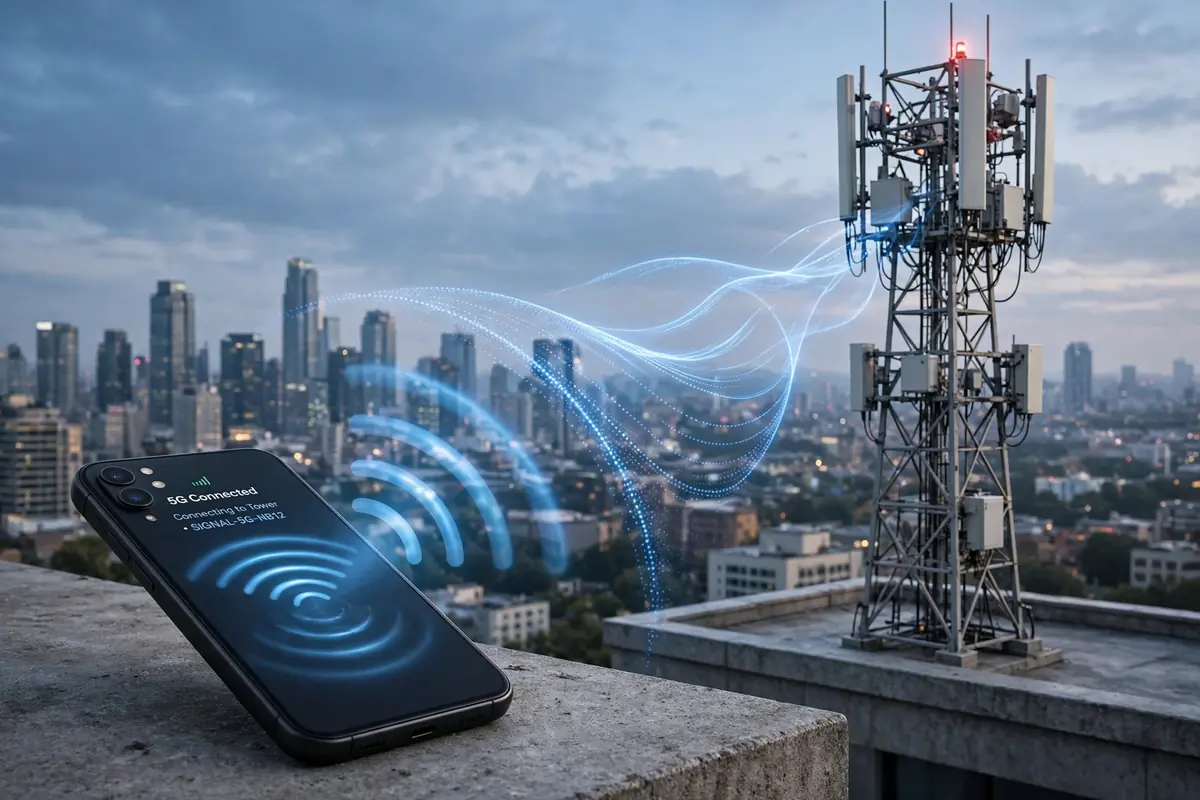
A network or connectivity scene in anime style can be surprisingly effective: a character on a rooftop with a laptop, city lights below, signal waves drawn as light. The explainer on the next wireless standard gives the technical background, and an anime prompt can turn that background into a scene without needing to explain the technology in the image.
A charging scene in anime style — a phone on a wireless pad beside a bed, morning light, a cat asleep nearby — is a good test of the “one living detail” rule from the scene section. The roundup of the best wireless chargers shows how many charger shapes exist, and naming one shape in the prompt keeps the anime version grounded.
A laptop scene in anime style works when the laptop and its mode are named: open on a desk, folded into tablet mode, glowing in a dark classroom. The guide to switching off a Chromebook touchscreen names the device and its modes precisely, and anime prompts benefit from that same precision.
A browser or productivity scene in anime style — a character organising tabs, sticky notes on a wall, a planner open on a desk — is a good place to practise atmosphere. The collection of productivity browser extensions shows how a workflow can be described in concrete steps, and an anime prompt for the same workflow should name the steps, not just the mood.
A hardware scene in anime style — a character building a PC, parts laid out on a workbench, warm workshop light — is a strong test of subject language. The guide on identifying your PC hardware names the parts a builder actually handles, and those part names belong in the prompt.
An examples collection is a good place to compare anime prompts against other styles side by side. The collection of AI image prompt examples shows how the same idea changes when the style word changes, and that comparison teaches style control faster than reading about it.
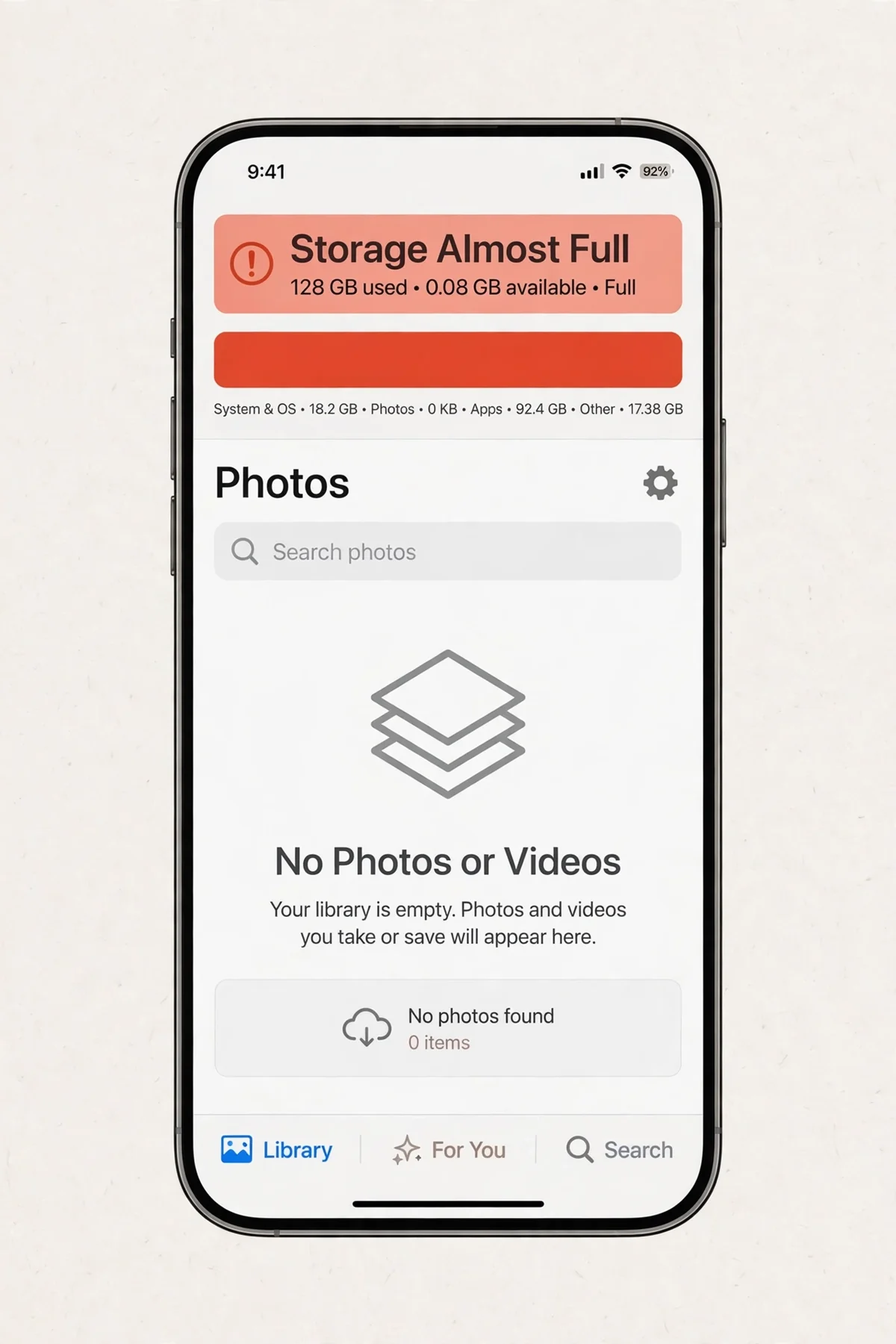
Finally, a photo-storage scene in anime style — a character sorting printed photos, boxes of albums, a phone full of pictures — works when the situation is named, not just the objects. The guide to how many photos fit on 128GB shows how a concrete situation makes a photo topic interesting, and anime prompts follow the same rule.
Across all of these, the anime style is a lens, not a subject. Put the lens first, then describe the everyday subject clearly, and the result will look like anime without losing the subject.
FAQ
What is the best Midjourney anime prompt structure?
Anime style first, then character or subject in short phrases, then pose, setting, atmosphere, and parameters last. That order keeps the style consistent and the description readable.
Should I use Niji mode for anime prompts?
Yes, when you want a stronger anime look. Niji is Midjourney’s anime-focused model, and it responds well to the same short-phrase style, with style options for cute, expressive, and scenic results.
Why do my anime prompts look generic?
Usually because the prompt only says “anime” without naming a branch, or because it has no background phrase. Name the tradition and give the setting its own phrase, and the result sharpens quickly.
What aspect ratio works for anime characters?
A portrait ratio like 2:3 or 3:4 suits character portraits. A wide ratio like 16:9 suits landscapes and scenes. A square ratio suits avatars.
How do I keep the same anime character across images?
Reuse the exact hair, outfit, and detail phrases every time, and change only pose and setting. Fewer traits, repeated consistently, beat many traits applied inconsistently.
Can Midjourney copy a famous anime character?
Not reliably, and you should design your own character instead. Describe the character type — hair, outfit, attitude — and you will get a more consistent result that you actually own.
The short version
A Midjourney anime prompt works when it names the anime branch, describes the character by hair, outfit, and one detail, gives the background its own phrase, sets the atmosphere, and ends with parameters. Niji mode helps when you want a stronger anime look. Iterate one change at a time, lock the character description for consistency, and design your own characters instead of chasing a famous one. Do that, and the results stop looking generically “anime” and start looking like the anime you pictured.
More practical guides live on the CripsyWire blog.
The site itself is at CripsyWire.
For background on who runs it, see the about page.
Build your anime prompt in seconds
Pick your style, lighting, and composition, and copy a ready-to-paste anime prompt for Midjourney.
Continue Reading on CripsyWire
For more practical AI coverage for US buyers, see our full AI tools and agents library. When you are deciding between competing tools, the reviews and comparisons section breaks down head-to-head matchups. AI features that live inside your phone are tracked in smartphones, and AI on your wrist or finger in wearables. All of this is part of CripsyWire's broader Tech coverage — start at the homepage for what is newest.